PDRN Is Having a Major Skincare Moment—9 Serums a Facialist Recommends
We asked skincare experts to explain what PDRN does and what to look for before adding it to your routine. Shop the best PDRN serums here.
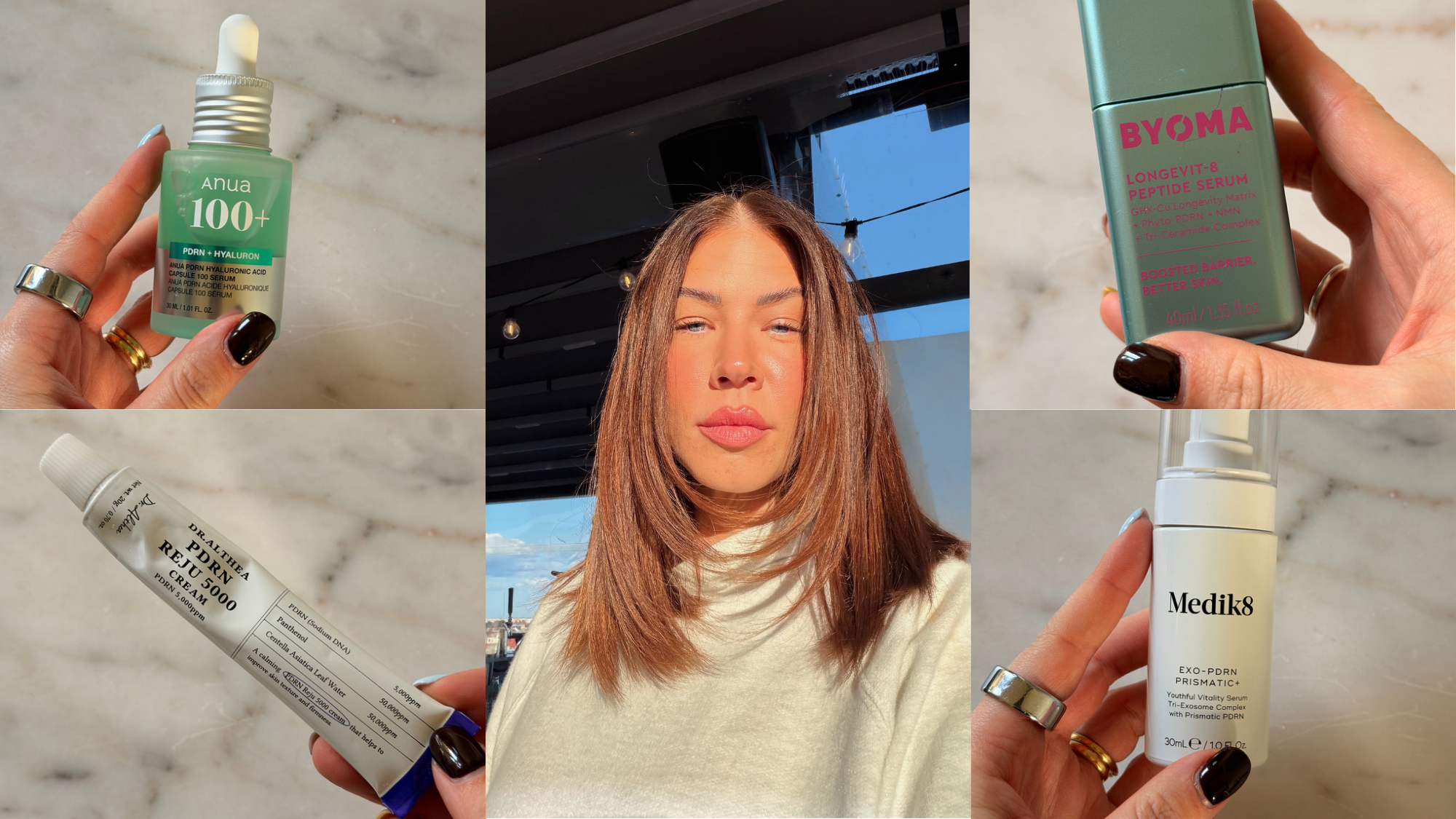
If you've spent any time scrolling through skincare TikTok or browsing the latest K-beauty launches, chances are you've come across PDRN. It's one of the buzziest skincare ingredients right now, appearing in everything from serums and moisturisers to eye creams and sheet masks, with products promising plumper, firmer, glowier skin. But whilst PDRN might feel like a recent discovery, it has actually been used in medical and aesthetic treatments for years. And, like so many skincare ingredients that suddenly find themselves at the centre of a viral trend, there's a little more to it than the marketing might have you believe.
PDRN stands for polydeoxyribonucleotide, a purified fragment of DNA traditionally sourced from salmon or trout. It's best known for its use in professional aesthetic treatments, where it's associated with skin repair, collagen support and improvements in overall skin quality. In recent years, the ingredient has moved beyond the treatment room and into topical skincare, with brands developing formulas designed to deliver some of these benefits at home. There's even a growing market for vegan PDRN, which uses plant-derived or biotechnology-produced alternatives.
The excitement surrounding PDRN isn't entirely unfounded. According to Alicia Gonzalez-Fernandez, a London-based aesthetic and NHS doctor, it has become a popular ingredient in injectable treatments, particularly for the delicate under-eye area. "The main benefit is better skin quality," she explains. "Skin feels more hydrated, texture becomes smoother, and it gradually gains firmness and elasticity as collagen production improves. It also supports the skin barrier, so reactive or red skin tends to become calmer," she adds. However, the evidence supporting injectable treatments is not necessarily transferable to the serums and creams now lining our bathroom shelves.

This is where things get interesting. PDRN is a relatively large molecule, which presents a challenge when it comes to topical delivery. As Gonzalez-Fernandez explains, "When you apply it to the surface of the skin, only a small amount gets past the skin barrier." Meanwhile, skincare brands are investing in new technologies and delivery systems in an attempt to make topical formulations more effective.
So, does a PDRN serum actually work? Is fish-derived PDRN more effective than vegan alternatives? And how do topical products compare with in-salon treatments? To separate the science from the skincare hype, I also spoke to Daniel Isaacs, brand founder and chief product officer at Medik8, along with Gonzalez-Fernandez, to find out what PDRN is, what it can realistically do for your skin, and whether it's an ingredient worth adding to your skincare routine.
What Is PDRN?
PDRN was originally developed for medical applications involving wound healing and tissue repair, before becoming increasingly popular in aesthetic medicine. Gonzalez-Fernandez explains that, in the skin, PDRN "works as a repair signal", supporting processes associated with collagen production, inflammation and cellular regeneration. It may also help with uneven tone and pigmentation by influencing melanin production. The overall aim is to improve skin quality rather than change facial structure or volume in the way some injectable treatments can.
Isaacs describes PDRN as "a DNA-based ingredient known for its role in supporting skin recovery and rejuvenation". He explains that its growing popularity in professional treatments has encouraged brands to explore how it might be incorporated into topical formulas. "At Medik8, we've developed a pioneering vegan form of PDRN designed to support the skin's natural processes and promote a healthier, more youthful-looking complexion," he says.
It's worth remembering that PDRN is now used quite broadly in skincare marketing. Products can differ in their source, concentration, formulation and delivery technology, so seeing the ingredient on a label doesn't automatically mean a serum will produce the same effects as an injectable treatment.
Does PDRN Skincare Work?
The short answer is that topical PDRN shows promise, but the evidence is still developing. It's important to distinguish between the research supporting injectable PDRN and polynucleotide treatments and the more limited evidence available for applying these ingredients to the skin's surface. Gonzalez-Fernandez explains that PDRN is a large molecule, meaning "only a small amount gets past the skin barrier" when used topically.
Isaacs believes formulation technology can help address this challenge. "One of the biggest challenges with traditional PDRN is its molecular size, which can limit how effectively it penetrates the skin when applied topically," he explains. "That's why we developed our prismatic PDRN with a stable, three-dimensional structure designed to optimise absorption." He adds, "It's not simply about including an innovative ingredient, but engineering it to work effectively within a skincare formula."
For a realistic assessment of a PDRN serum, Gonzalez-Fernandez recommends using it consistently for at least three months, provided your skin tolerates it. Ultimately, the overall formula matters, and topical PDRN shouldn't be treated as a guaranteed shortcut to firmer, more youthful-looking skin. If you're thinking of adding one to your routine, I've tested plenty of popular PDRN serums and rounded up my top picks below.
Shop the Best PDRN Serums
Pros
Подборка автора
Medik8
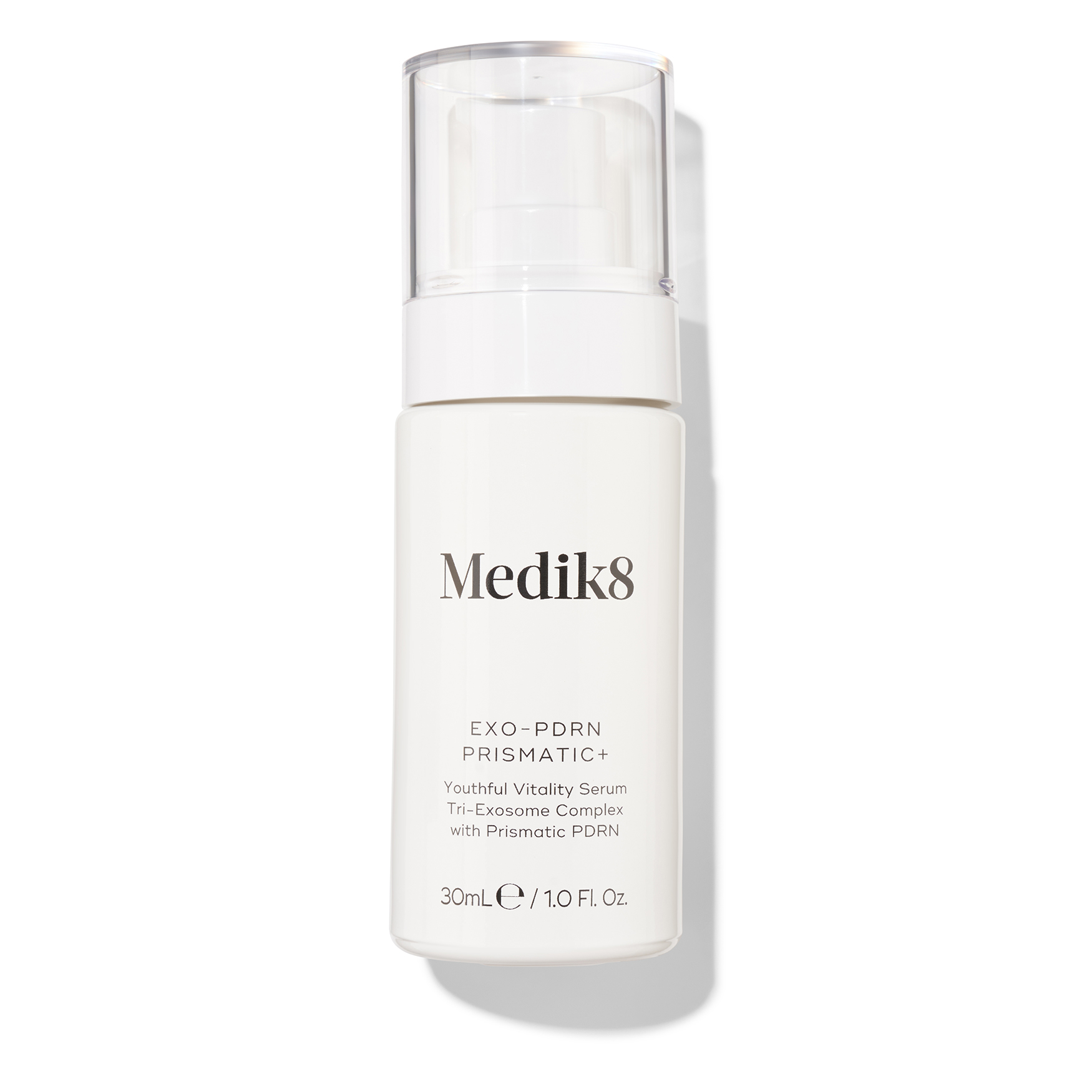
Medik8 Exo-PDRN Prismatic+ Serum
£79
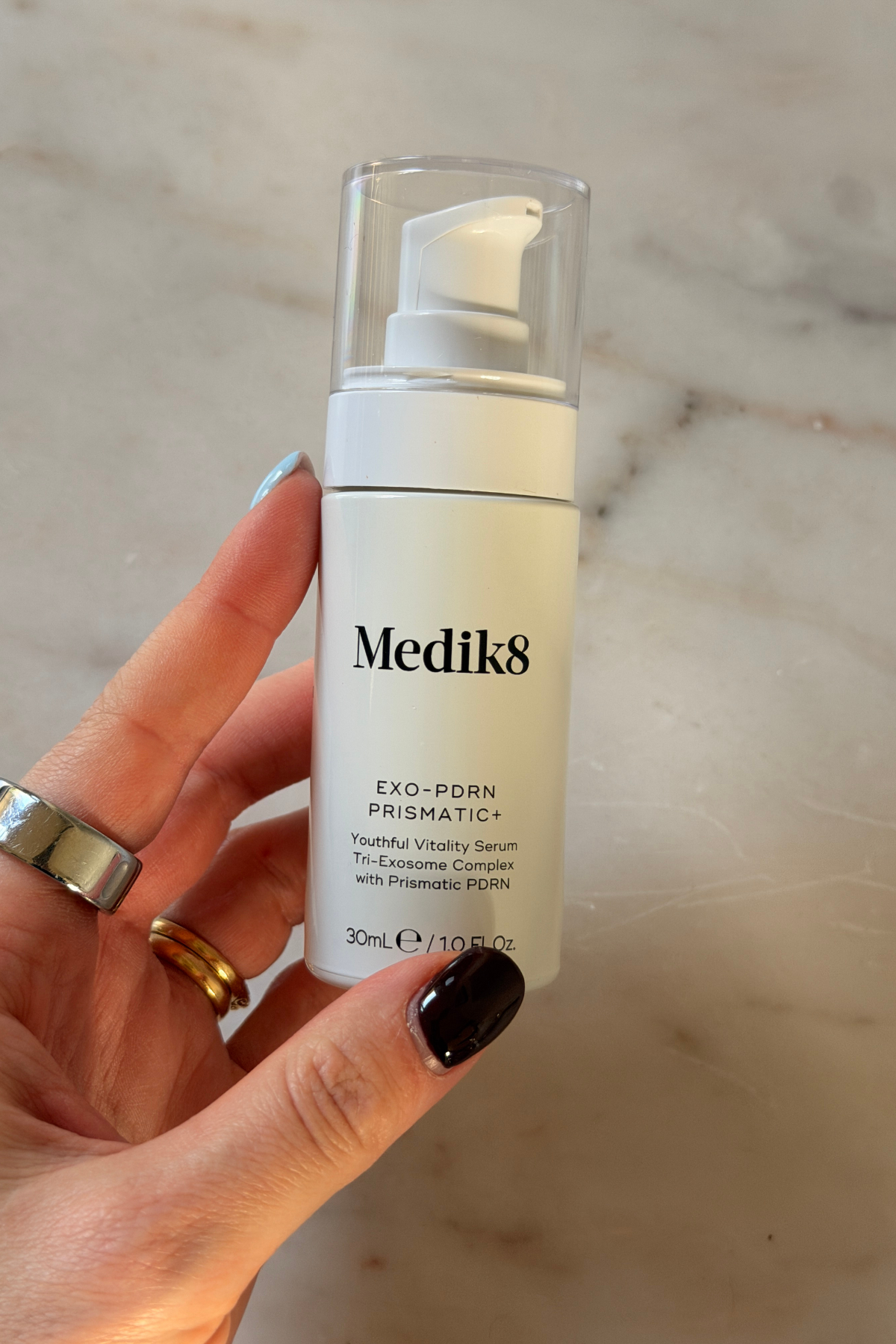
Why we love it: This vegan formula goes beyond PDRN, combining it with exosomes, peptides and niacinamide to target everything from dullness to uneven tone. It’s a sophisticated, multitasking option which quickly delivers noticeable results.
Facialist review: This genuinely effective serum was one of the most impressive that I tried when it came to delivering results. I felt like my skin appeared much brighter and healthier within just a few weeks of use. I particularly like that the formula also includes niacinamide, centella asiatica and sodium hyaluronate, bringing some familiar favourite and hydrating ingredients into the mix so that you don't need to layer multiple serums together. According to Isaacs, this allows the serum "to deliver a more comprehensive approach to visible rejuvenation, targeting everything from luminosity and uneven tone to fine lines and firmness."
Pros
Подборка автора
The Inkey List
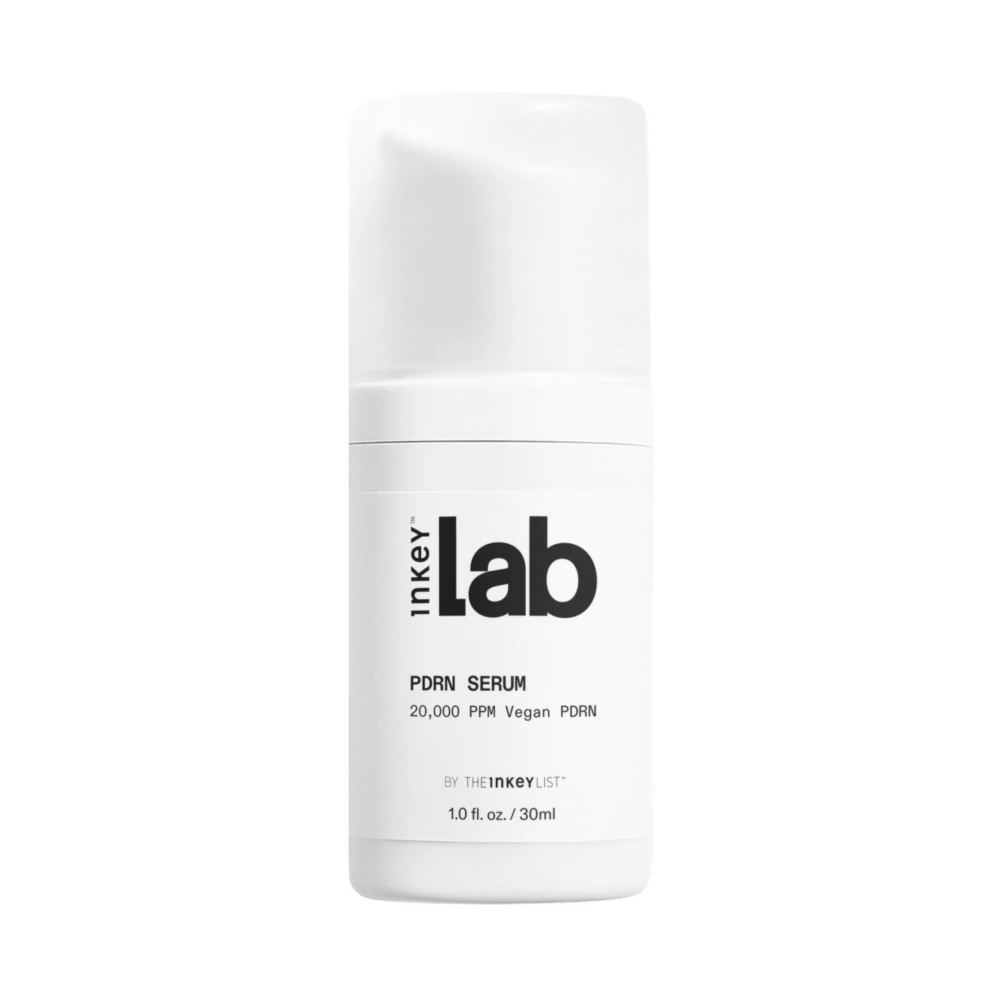
The Inkey List Inkey Lab PDRN Serum
£18
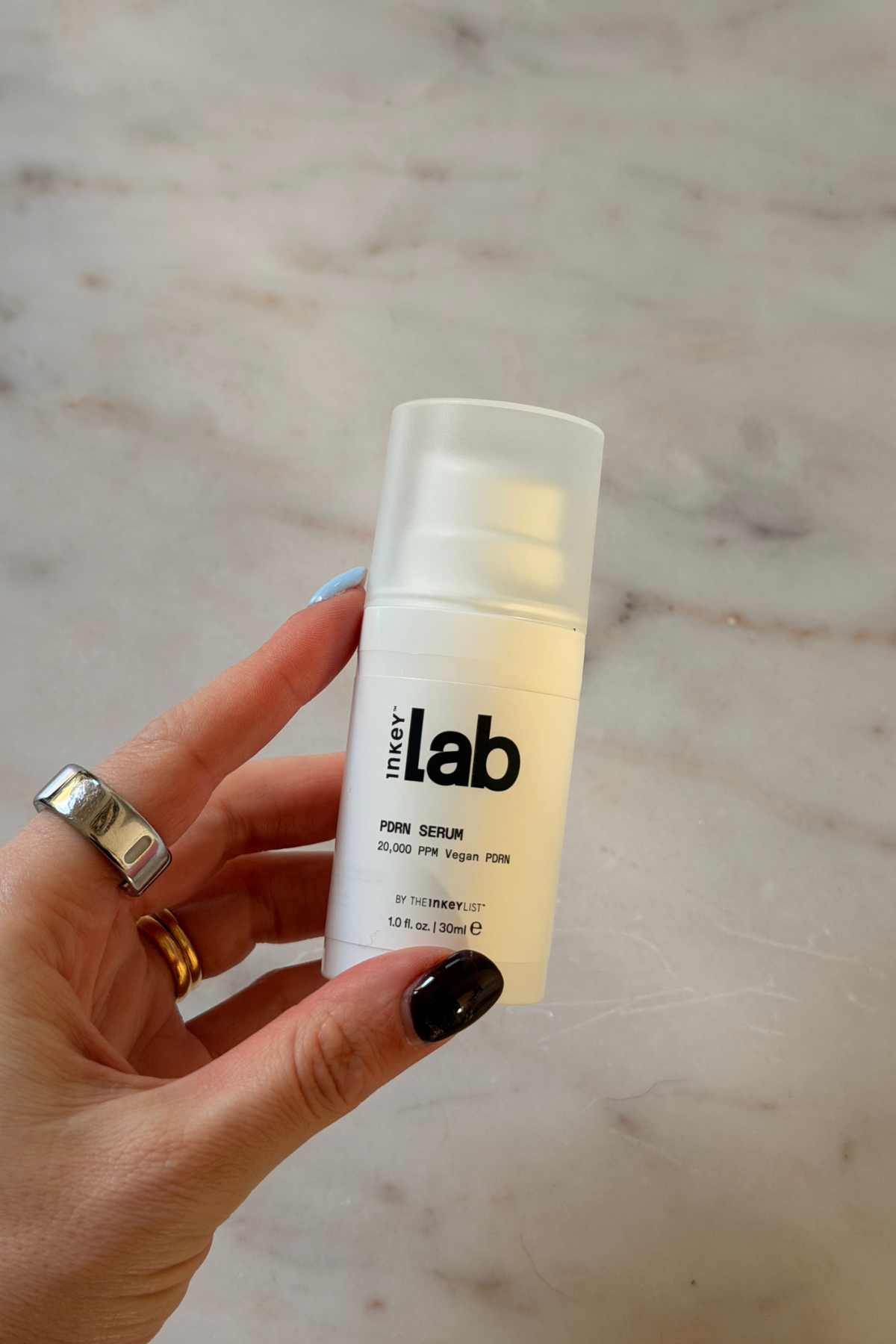
Why we love it: The Inkey List is known for offering accessible ways to try skincare trends—this affordable vegan formula pairs plant-derived PDRN with moisturising ingredients to leave skin feeling softer, smoother and more supple.
Facialist review: This affordable option utilises 20,000 ppm (2%) vegan PDRN, derived from the herb Artemisia capillaris, alongside an 18% emollient blend designed to give skin a smooth, glass-like glow. Glycerin adds hydration, while the formula's cushioning texture makes it feel more nourishing than a typical hydrating gel serum. I immediately noticed softer, bouncier skin and a lasting glow, and loved that it absorbed quickly without leaving a greasy residue (despite the richer ingredients).
Pros
Подборка автора
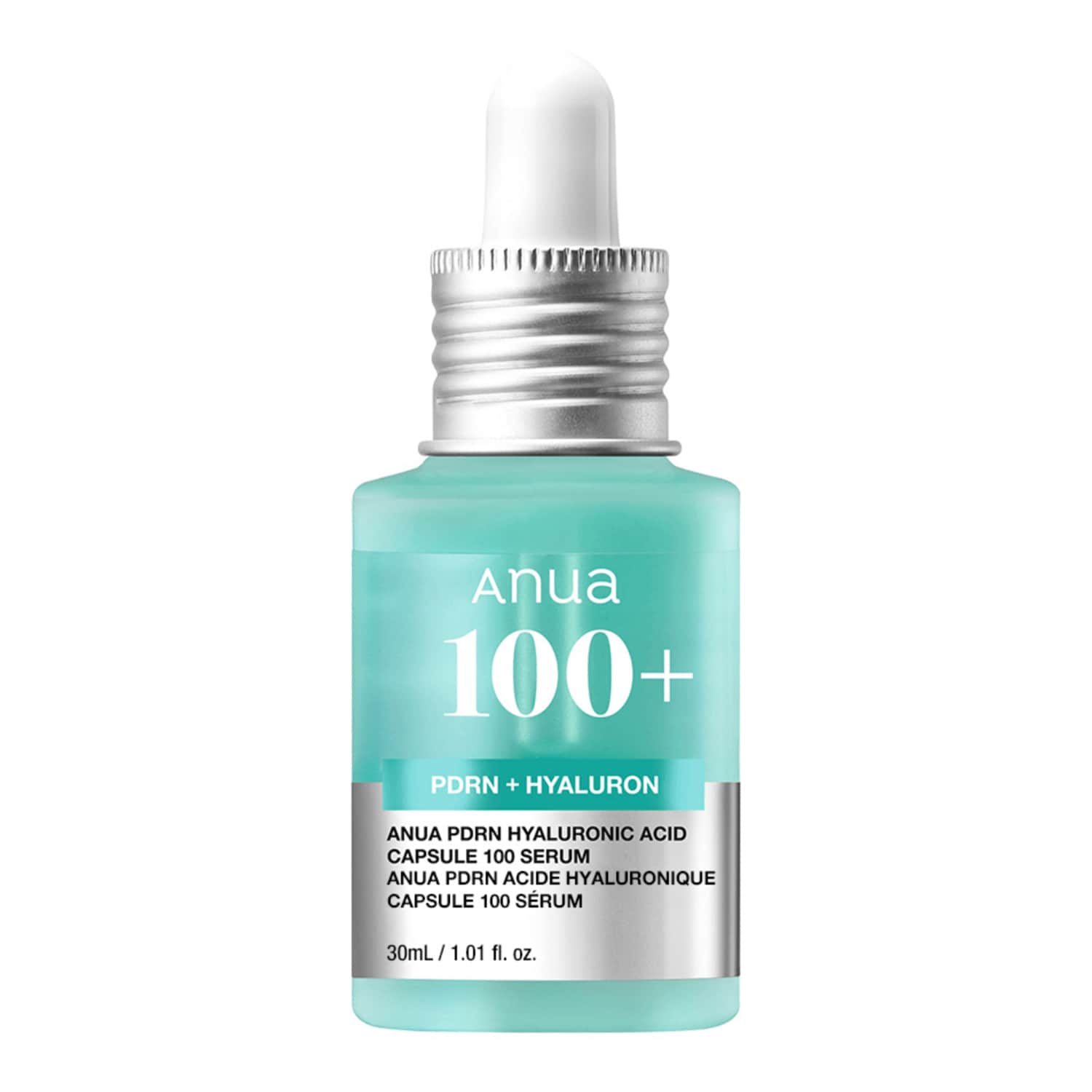
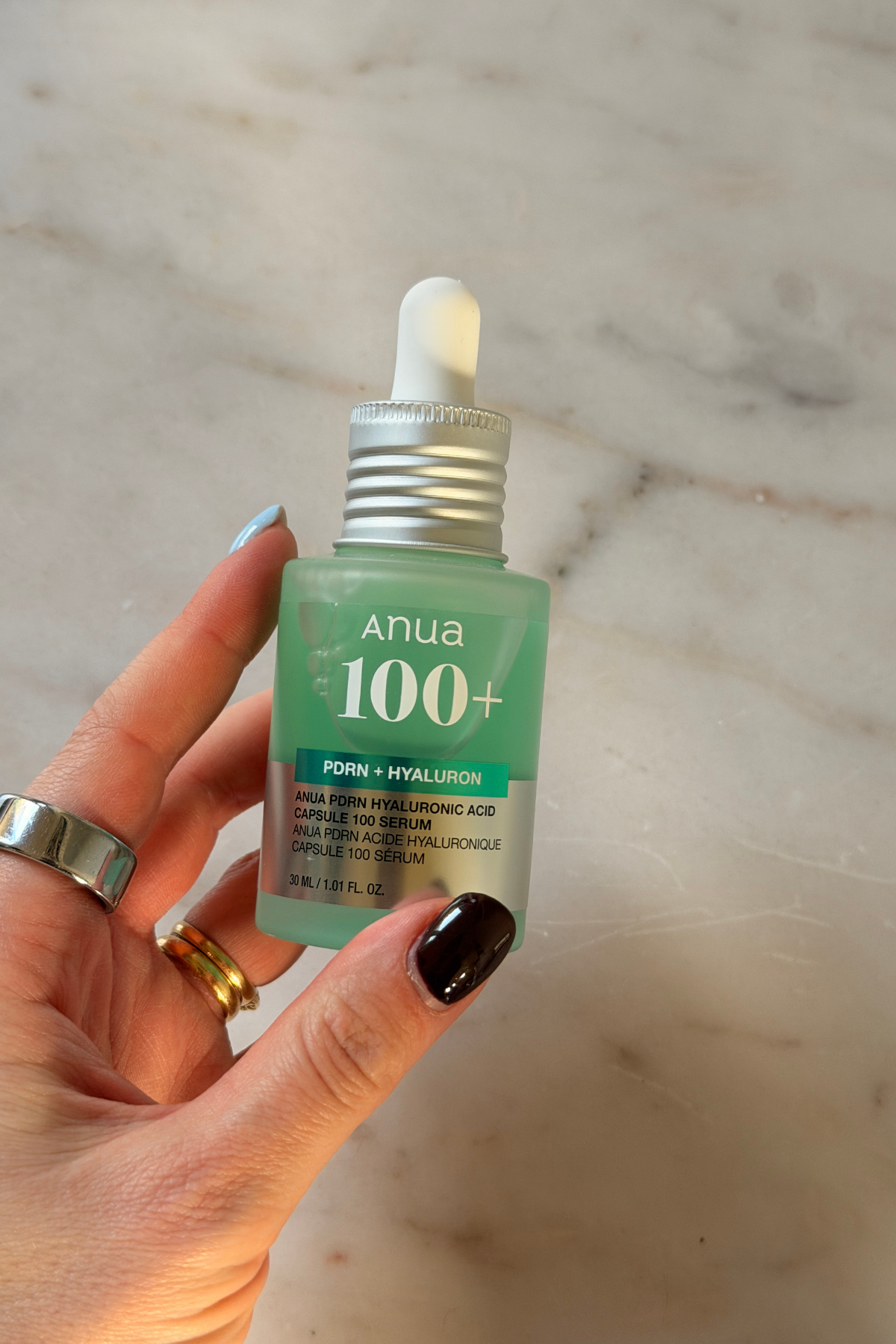
Why we love it: If glow is your priority, this lightweight K-beauty serum combines salmon-derived PDRN with hyaluronic acid for a dewy-looking finish. It’s a great option for anyone who loves that fresh, glass-skin glow.
Facialist review: In classic K-beauty fashion, this one is all about hydration and glow. Its capsule-serum formula combines salmon-derived PDRN with multiple forms of hyaluronic acid, collagen and niacinamide to help skin look plumper, smoother and more radiant. The lightweight texture absorbs quickly (ideal if, like me, you love a dewy finish) and layers well under other products. If your main goal is hydrated, bouncy-looking skin rather than a high PDRN concentration, this is a strong contender—and rave user reviews agree.
Pros
Подборка автора
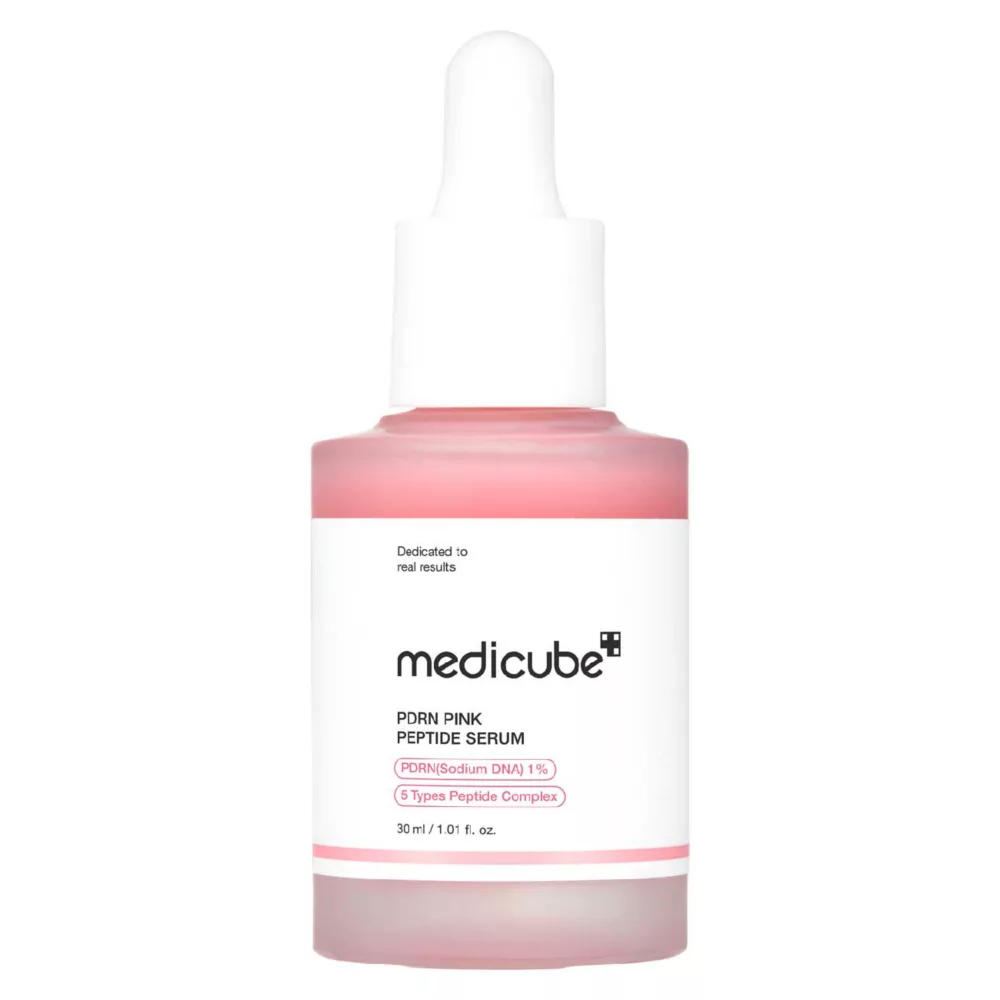
Medicube
Medicube PDRN Pink Peptide Serum
£18
Pros
Подборка автора
Byoma
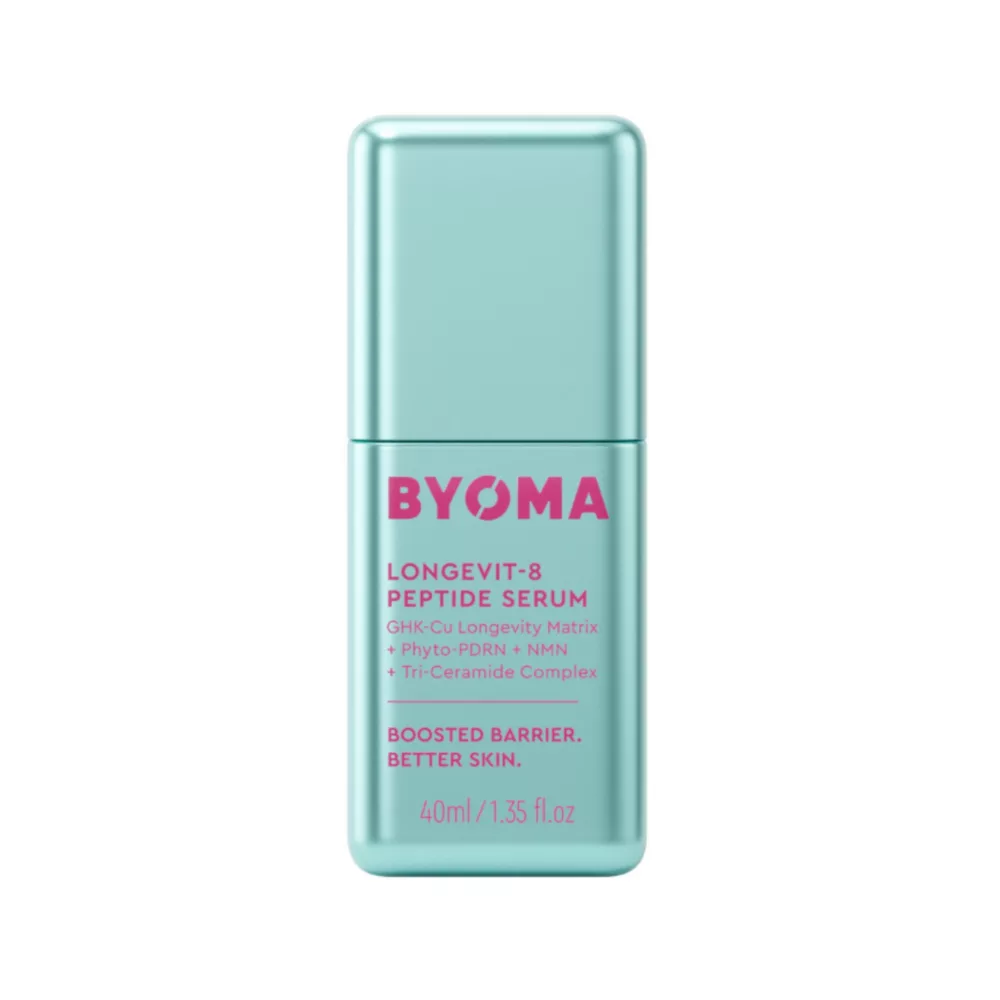
Byoma Longevit-8 Peptide Serum
£22
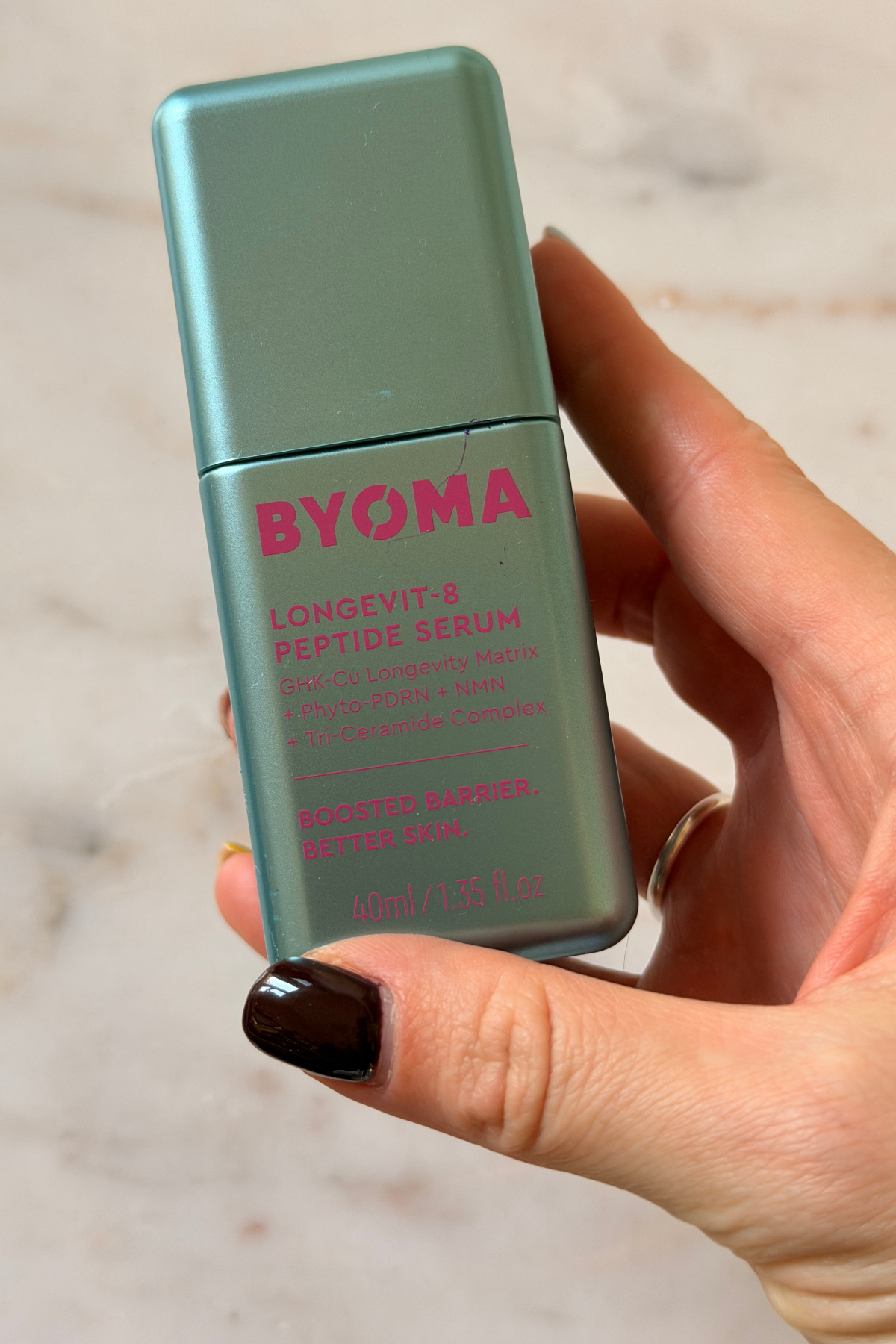
Why we love it: This formula brings together a cocktail of proven ingredients in one easy step. It’s a smart choice if you want to support your skin barrier whilst also targeting the look of fine lines and loss of radiance.
Facialist review: This multitasking formula looks beyond PDRN alone, combining vegan phyto-PDRN with peptides, niacinamide, NMN and a ceramide complex. The idea is to support several aspects of skin health in one step, from hydration and barrier function to the appearance of fine lines, firmness and luminosity. Copper tripeptide-1 and other peptides make this particularly beneficial for those drawn to the trend for "skin longevity", whilst ceramide NP, cholesterol and fatty acids help support the skin barrier (always a plus). I find that the lightweight texture layers easily with the rest of my routine and doesn't cause any issues for my sensitive skin.
Pros
Подборка автора
Haruharu Wonder
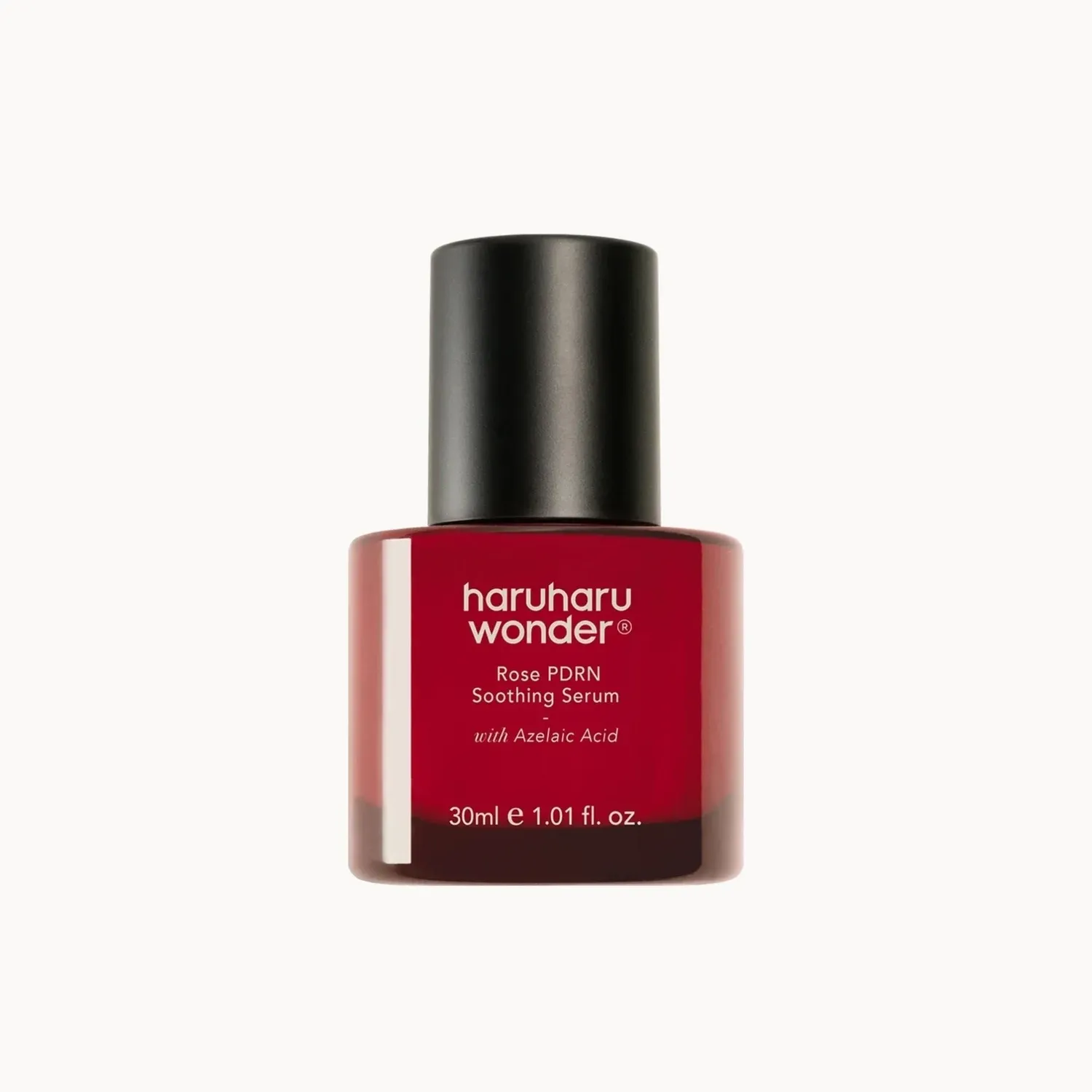
Haruharu Wonder Rose PDRN Soothing Serum
£18
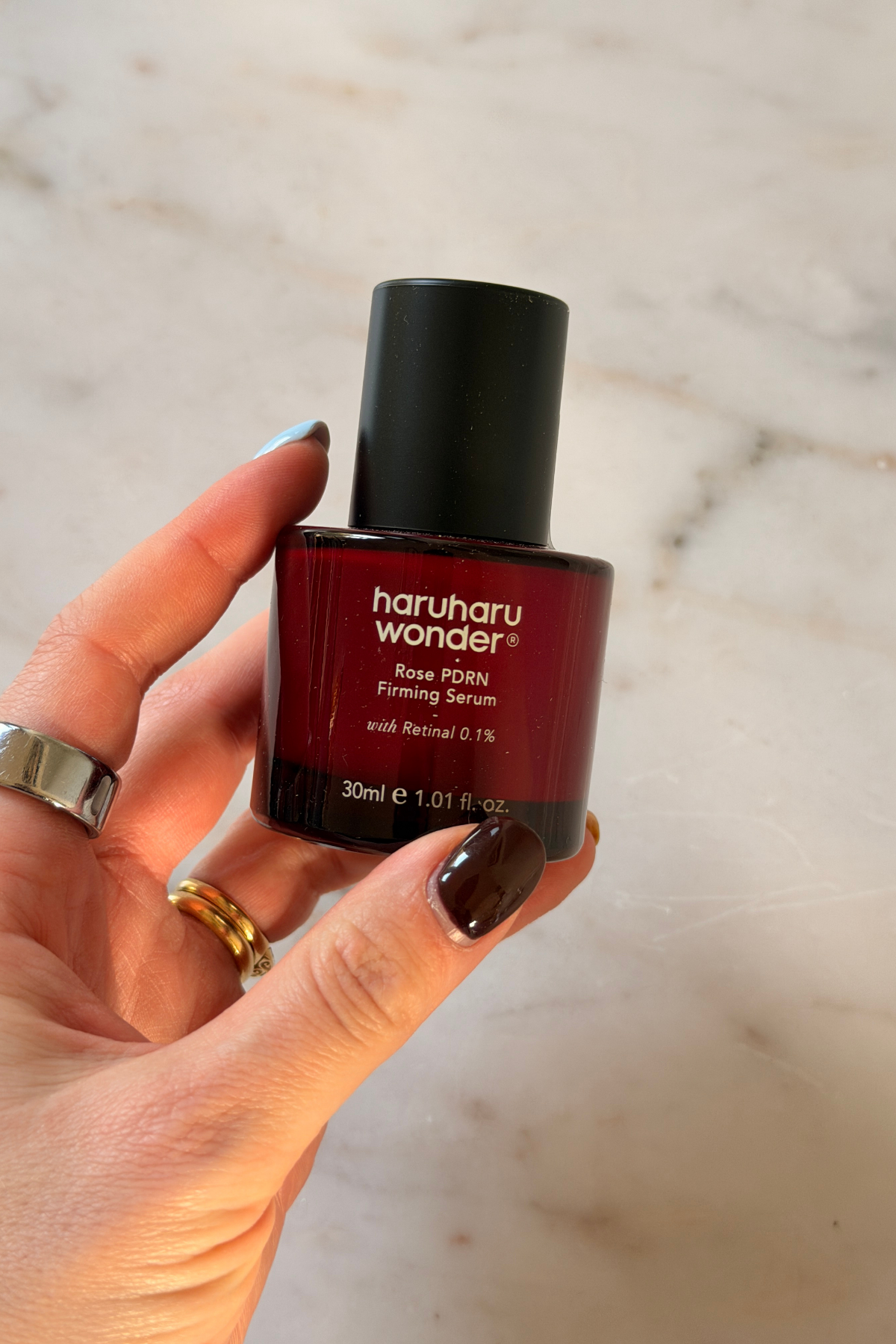
Why we love it: This serum has a soothing, skin-comfort-focused approach. We love that it also includes azelaic acid and niacinamide to help address uneven tone.
Facialist review: If you want to explore PDRN but prefer a formula with a soothing, skin-comfort focus, look no further. This one is powered by vegan PDRN derived from Damask rose alongside azelaic acid, niacinamide, panthenol, beta-glucan and centella asiatica to target hydration, visible redness and uneven texture. I find it absorbs quickly, feels immediately soothing and delivers improvements in redness. The combination of azelaic acid and niacinamide is one of my favourites for those dealing with post-acne pigmentation or uneven tone, and gives this formula more of a targeted focus compared to others I tried.
Pros
Подборка автора
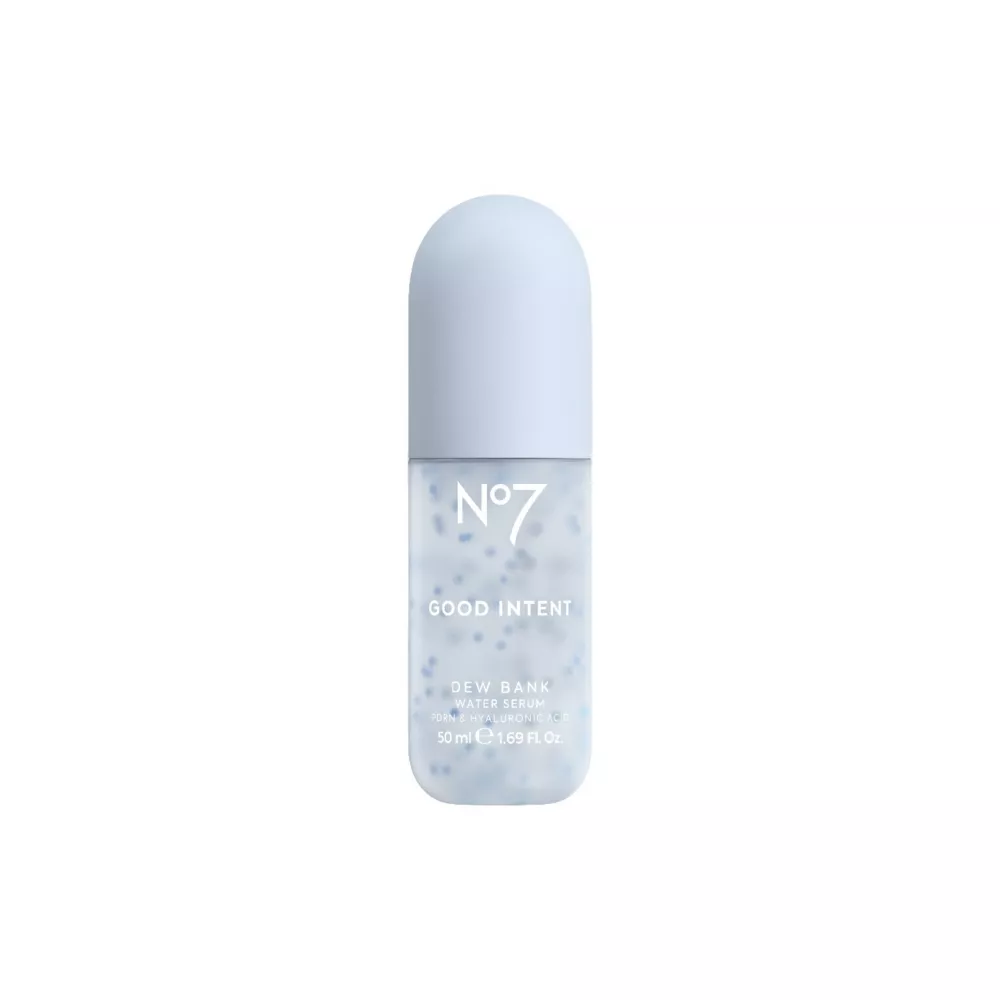
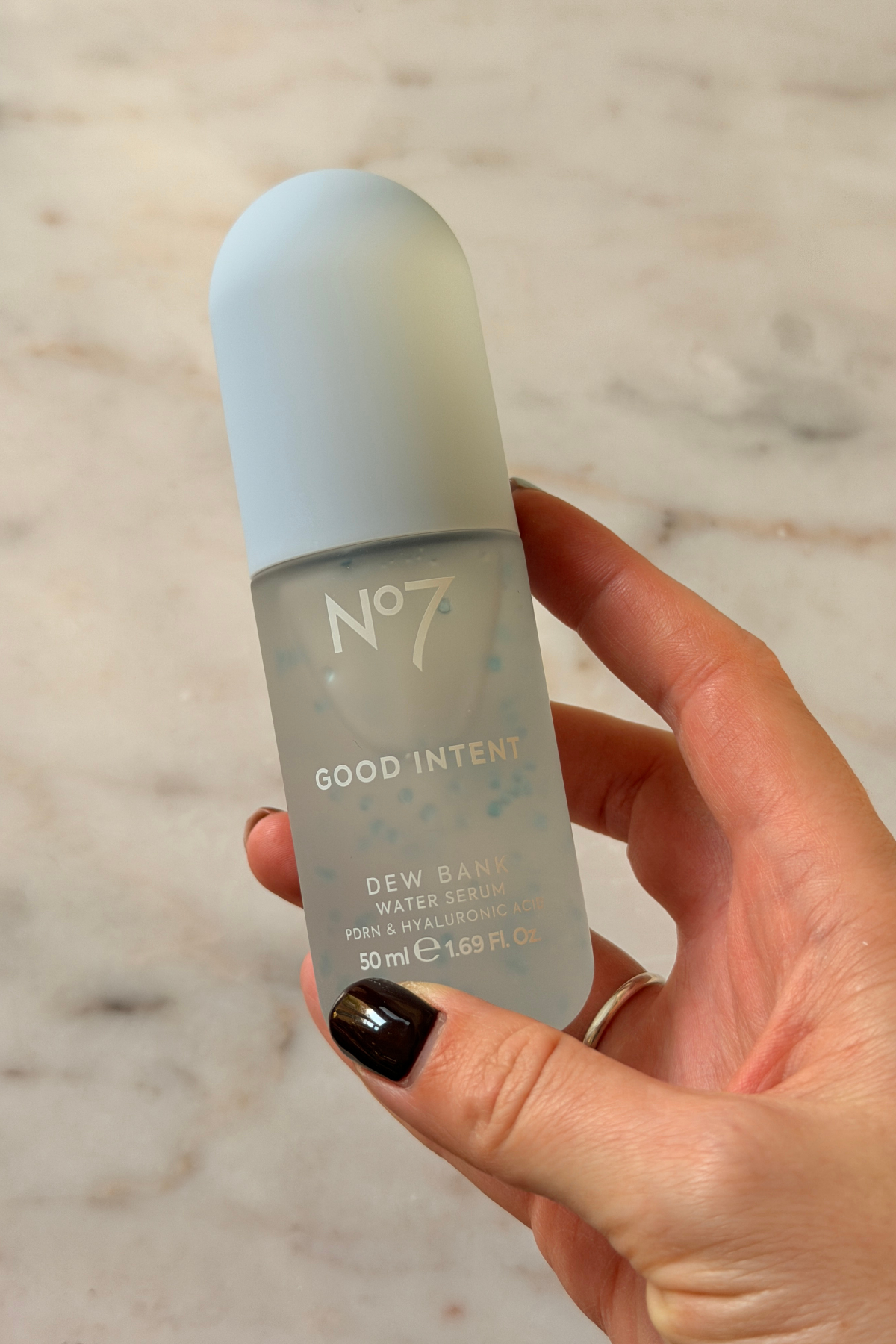
Why we love it: This lightweight, water-based serum focuses on hydration, pairing PDRN with ingredients such as hyaluronic acid, glycerin and panthenol. It’s a lovely option if you want a fresh, dewy finish without adding a heavy layer to your skincare routine.
Facialist review: This serum takes a hydration-first approach, with a lightweight formula featuring oil-encapsulated bubbles suspended in a cushiony, water-based serum. And yes, it feels every bit as good as it sounds. Glycerin, hyaluronic acid and panthenol help attract and retain moisture, while niacinamide supports the skin barrier and helps improve the appearance of uneven tone. It's basically glass skin in a bottle, and a perfect antidote to parched, dehydrated skin. No7 doesn't clearly disclose the PDRN concentration or its source, so I would view this more as a hydrating treatment than a true PDRN serum.
Pros
Подборка автора
Biodance
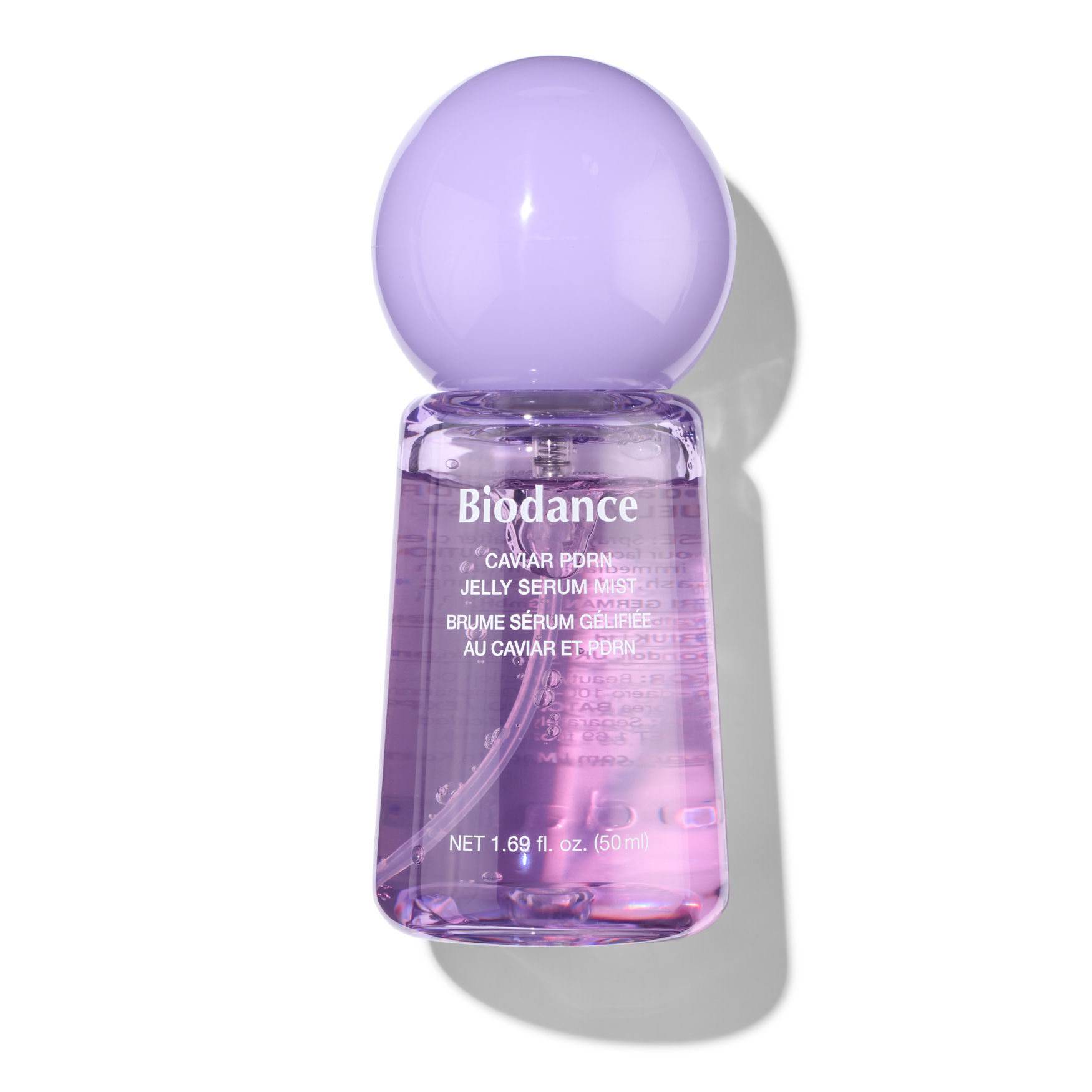
Biodance Caviar PDRN Jelly Serum Mist
£14
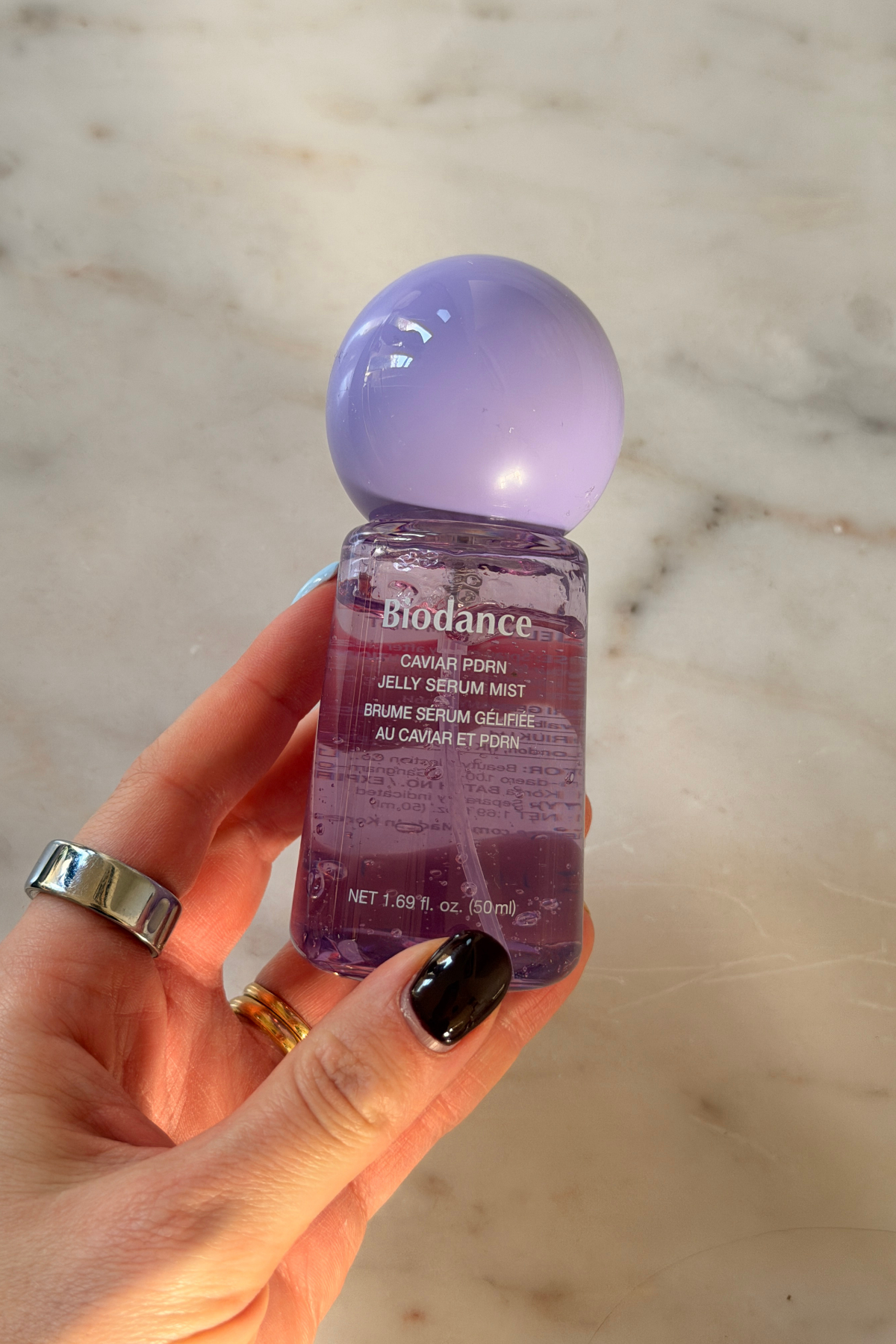
Why we love it: This convenient (and cute!) mist makes topping up hydration throughout the day feel effortless, with PDRN, caviar extract and humectants to help skin look fresh and radiant. We love it as a fuss-free way to add a little extra dew to your routine, particularly when skin is feeling parched.
Facialist review: A more unusual take on the PDRN trend, combining the convenience of a facial mist with the feel of a lightweight serum. I actually really like layering this one under one of the more hydrating serum options above for a double dose. It's also ideal for giving a quick moisture boost throughout the day or refreshing skin before makeup. The formula features salmon-derived PDRN, caviar extract, niacinamide and multiple forms of hyaluronic acid to help hydrate the skin and leave it looking plump and radiant.
Pros
Подборка автора
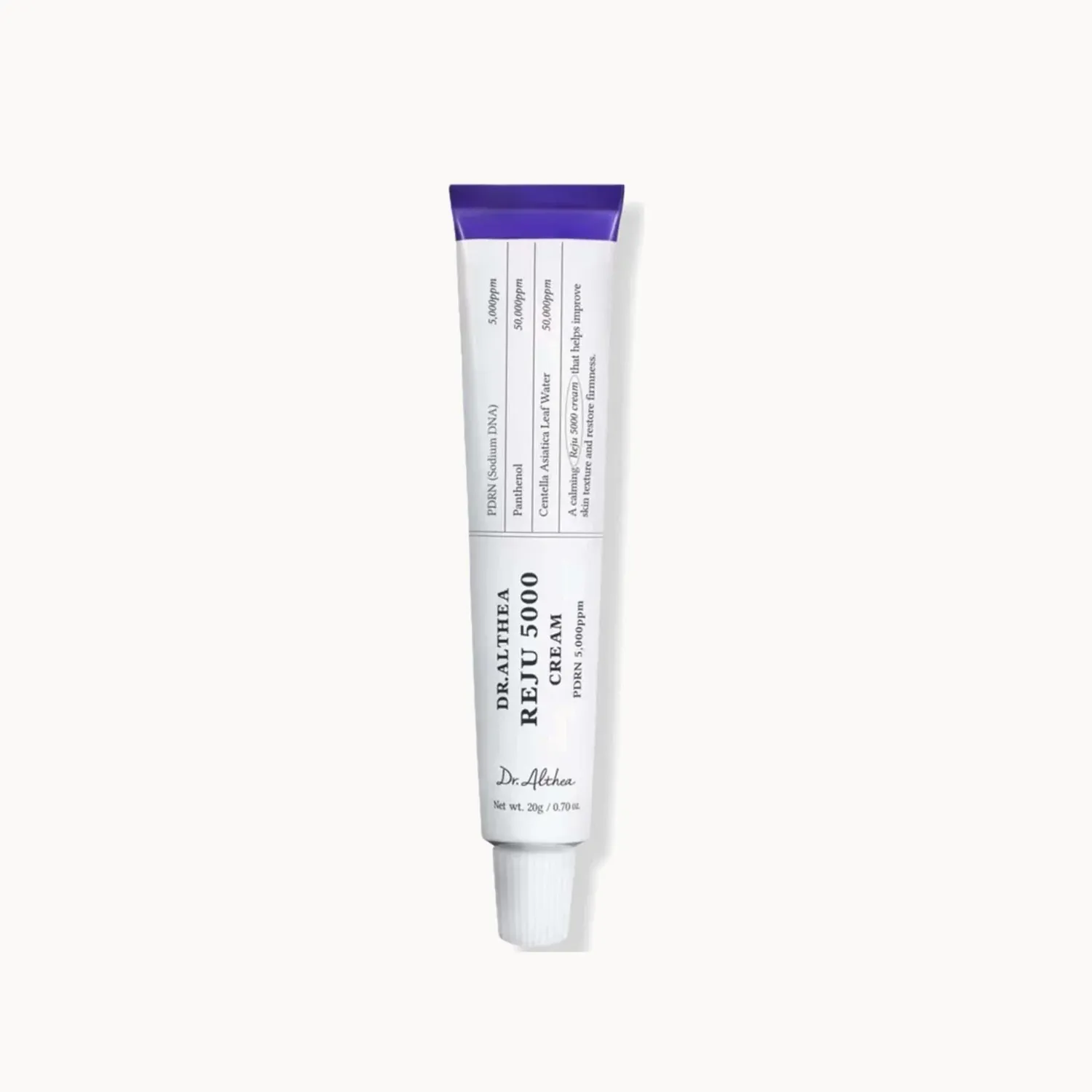
Dr. Althea
Dr. Althea Reju 5000 Cream PDRN 5,000ppm
£23
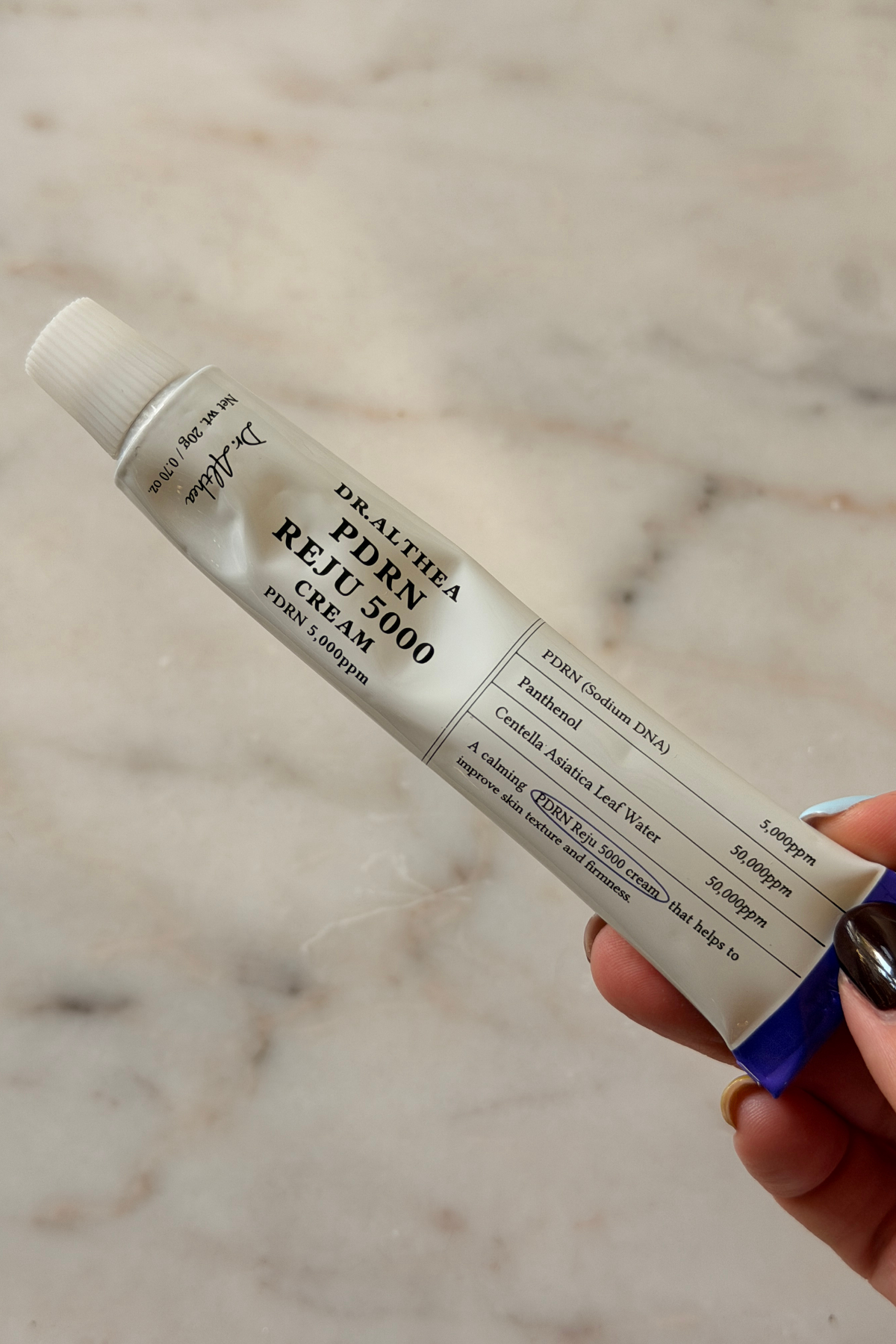
Why we love it: A perfect combination of hydration and soothing ingredients, especially if your skin prefers a more nourishing texture than a traditional watery serum.
Facialist review: Technically a moisturising cream rather than a traditional serum, Dr. Althea's PDRN Reju 5000 is a worthwhile option for those who prefer a capsule skincare routine. It contains 5000 ppm of vegan PDRN produced through fermentation, alongside centella asiatica leaf water, panthenol and three forms of hyaluronic acid to support hydration and skin comfort. I find the texture to be lightweight and non-greasy, but I do prefer to layer it under a separate moisturiser for the right amount of hydration.
How Does PDRN Skincare Compare to In-Clinic Treatments?
Although topical and injectable PDRN share a name, they're not interchangeable. In-clinic treatments deliver PDRN or related polynucleotides directly into the dermis, bypassing the outer skin barrier. Topical skincare, by contrast, is applied to the skin's surface, where penetration is much more limited. This difference in delivery is important because many of the regenerative effects associated with PDRN are intended to take place deeper within the skin.
"Topical products can help with hydration, soothing and supporting the barrier, which is a nice addition to a good routine," explains Gonzalez-Fernandez. "But the regenerative effects, like stimulating collagen, happen deeper in the skin, in the dermis, and this is where the injectable PDRN comes into play." She adds that the evidence base is also stronger for injectable treatments than for topical skincare.
In her clinic, polynucleotide injections are particularly popular for the undereye area, where treatment options can be limited. "Polynucleotides are a great choice for the undereye, because they do not worsen eyebags or produce swelling like other products could do when injected to this area," she says, adding that she has seen improvements in skin quality and pigmentation around the eyes. She typically recommends a course of three treatments, one month apart, with results developing over the course of treatment and maintenance often considered around six months later.
Isaacs also cautions against treating skincare and professional procedures as direct alternatives. "It's important to distinguish between topical skincare and professional treatments, because they work in different ways," he says. "I wouldn't position one as a replacement for the other." Instead, he sees topical PDRN as a way to incorporate the ingredient into an everyday routine, whether used independently or alongside professional treatments.
If you're curious about PDRN but aren't ready to explore injectables, a topical product can be a good introduction to the ingredient. Just keep your expectations realistic—a serum can never reproduce the effects of delivering an ingredient directly into the skin.
What Is the Efficacy of Fish PDRN vs. Vegan PDRN?
Traditional PDRN is derived from fish DNA, usually from salmon or trout, and this is the form most established in professional aesthetic treatments. Vegan PDRN is a newer development in topical skincare, with products using DNA fragments sourced from plants such as ginseng, rice, rose or camellia, or produced through microbial fermentation. Although both are marketed around skin repair and rejuvenation, the evidence supporting them is not currently equivalent.
Gonzalez-Fernandez explains that vegan PDRN is a broad term covering several different approaches to producing DNA-based ingredients. "Some research suggests these plant versions work through the same pathway in the skin, but most of it comes from lab studies, and there's very little research in humans yet," she says. In her view, fish-derived PDRN currently has the stronger evidence base. "My take is that if you want to use a PDRN product, fish-derived is the one that has the most evidence behind it as opposed to vegan products, so I probably would go for that."
However, this doesn't mean that every fish-derived serum will outperform every vegan alternative. Much of the stronger evidence relates to injectable treatments, rather than the topical products that people are buying for home use. The concentration of the ingredient, the overall formulation and the technology used to deliver it all influence how a product will perform.
Isaacs highlights the development of vegan alternatives as an opportunity to bring PDRN-inspired technology to a wider audience. "At Medik8, we've developed a pioneering vegan form of PDRN designed to support the skin's natural processes and promote a healthier, more youthful-looking complexion," he says. The important distinction is that the efficacy of any particular vegan ingredient needs to be assessed on its own merits, rather than assumed to match fish-derived PDRN simply because it shares the same name.
If you prefer to avoid animal-derived ingredients, a vegan PDRN serum may appeal, but it's worth looking for transparent information about its source and the evidence supporting the finished formula. And if your priority is proven results, Gonzalez-Fernandez reiterates that established ingredients such as retinoids and vitamin C remain strong options, with substantially more research supporting their topical use.
How We Tested
To find the best PDRN serums, we researched the latest launches from established skincare brands and K-beauty favourites, assessing each formula's key ingredients, PDRN source, concentration (where disclosed) and intended benefits. We also considered texture, how easily it layered, suitability for different skin types and value for money. To separate the science from the hype, we looked at the available evidence behind topical PDRN and considered how each formula compares with more established skincare ingredients and in-salon treatments. The result is an edit of standout PDRN products for different budgets, skin concerns and preferences, with realistic expectations of what topical PDRN can achieve.
Why Trust Us
At Who What Wear UK, we know that beauty isn’t one-size-fits-all. Our editors have tested thousands of products over the years—spanning skincare, makeup, hair and nails—and work closely with trusted experts including dermatologists, makeup artists and leading industry insiders to ensure every guide is well-researched, inclusive and relevant to you.
We focus on formulas that deliver, whether they’re affordable favourites or luxury investments. Our product selection is based on tangible results, ingredient know-how and what we’d truly recommend to a friend.